
Wash and Care Instructions
How to Prep:
Prewash your cloth diapers to remove residues and maximize absorbency!
** Applies to brand new diapers only **
- Wash only 10 - 12 brand new diapers, per prep wash.
- Use full wash cycle with HOT water (adjust for smaller washing machines).
- Add detergent (refer to detergent guide).
- Air dry or tumble dry on medium heat. (reminder - clean lint screen)

1. Rinse soiled cloth diapers in the toilet before storing in the pail. For convenience, use a diaper sprayer.
2. Place wet cloth diapers directly into the diaper pail. When the pail is full, transfer the diapers to the washing machine for laundering.
3. Pre-rinse or do a short cycle with warm water and detergent.
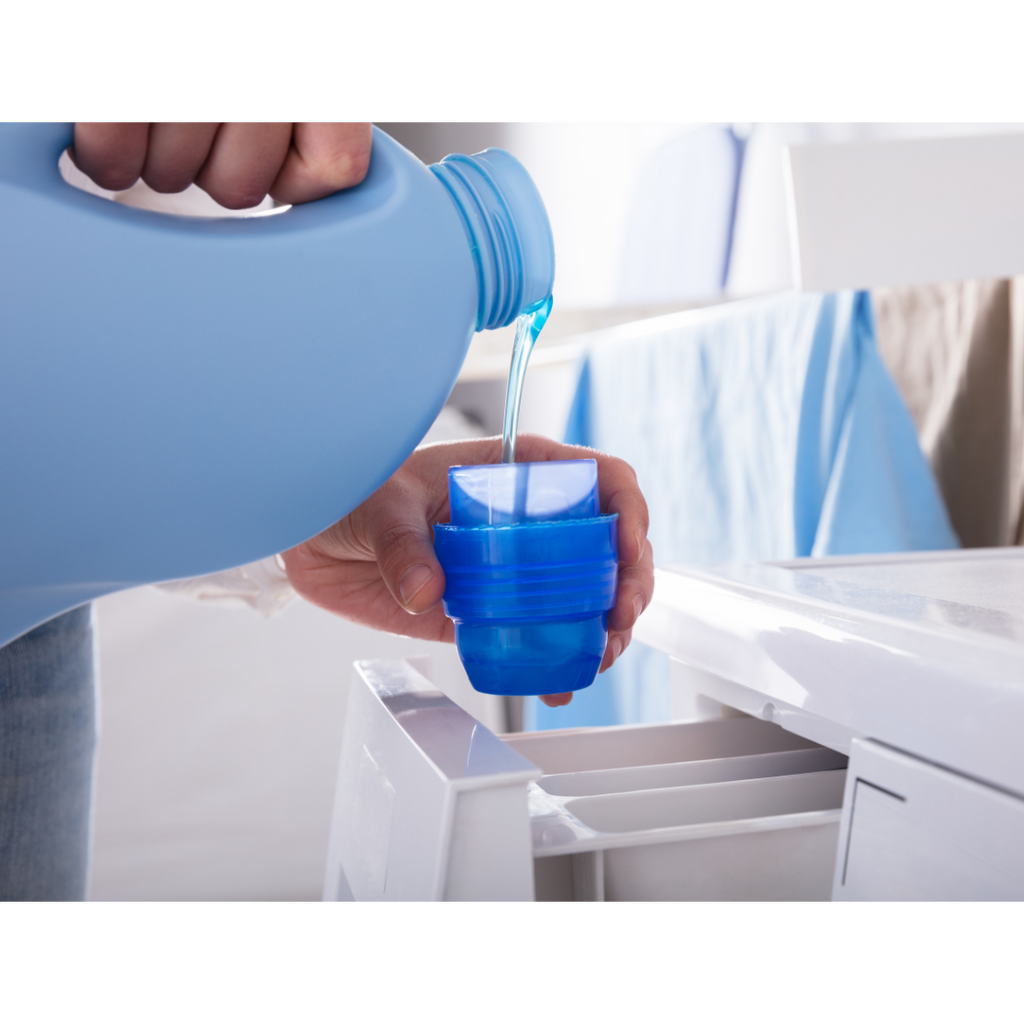
4. Wash the cloth diapers in a full cycle, at the highest water level, using HOT water ( 140°F or 60°C), and the full amount of detergent
5. Avoid detergents that contain oxygenated bleaching agents, as they can be harsh on your baby's skin and cause damage to the elastics, bindings, and natural fabrics of the cloth diaper. Laundry Detergent Trio
6. After washing, you can choose to either line dry or tumble dry the diapers.
A Simple Wash Routine
When washing cloth diapers you will follow the same process as your regular clothing - there's nothing magic or mysterious about caring for cloth diapers as long as you have a good routine and a good detergent.
Diaper Pail Storage Methods
Wet pail or Pre-soak system vs Dry pail system:
Dry Pail Method |
Wet Pail Method |
|---|---|
| Convenient option | Reduced staining |
|
|
Soiled Diaper Covers
Hand or machine wash with your diapers using laundry detergent and tumble dry, or line dry.
*Close Rikki covers (hook and loop) before washing or drying and/or use a small mesh laundry bag*


Swim Diapers
Hand wash in warm water and line dry. Do not wrap wet swim diapers in towel.
* Garment may bleed color in first initial wash *

Breathable Diaper Pail Mesh Bags
Wash in hot water and detergent once before use.
* Blue and Red colors may bleed in first inital wash *
Turn inside-out and close the zipper 80% to deter any diapers from getting caught inside.
Helpful Notes & Suggestions
Waterproof Covers create a leak-free barrier between the cloth diaper and baby's clothing. They can be reused 3-4 times if not soiled before washing.
Diaper Sprayer - Simplify a messy diaper clean-up and can be easily installed to your toilet's water supply in just 5 minutes.
How to Prevent Odors and Staining with the Dry Pail System - Important: to prevent odors from setting in when using the Dry Pail Method, avoid leaving diapers in a closed pail or zipper wetbag for days at a time. Ensure proper air circulation by using the Mother-ease vented Diaper Pail and a breathable mesh pail liner. At the end of each day, put the used diaper in a short rinse and spin wash cycle and place back inside your Mother-ease Pail. Keep in mind that once odors are set, they are challenging to remove.
Diaper Stains - Rinse soiled diapers promptly in the toilet using a diaper sprayer to minimize stains. Flushable Diaper Liners or Stay Dry Liners will also help. Should you have a tough stain, apply Laundry Magic directly to the stain and gently rub until the stain has lifted. Repeat if necessary.
Hot Water - ensure more hot water gets to your washing machine by running the hot water tap nearest your machine until water is hot.
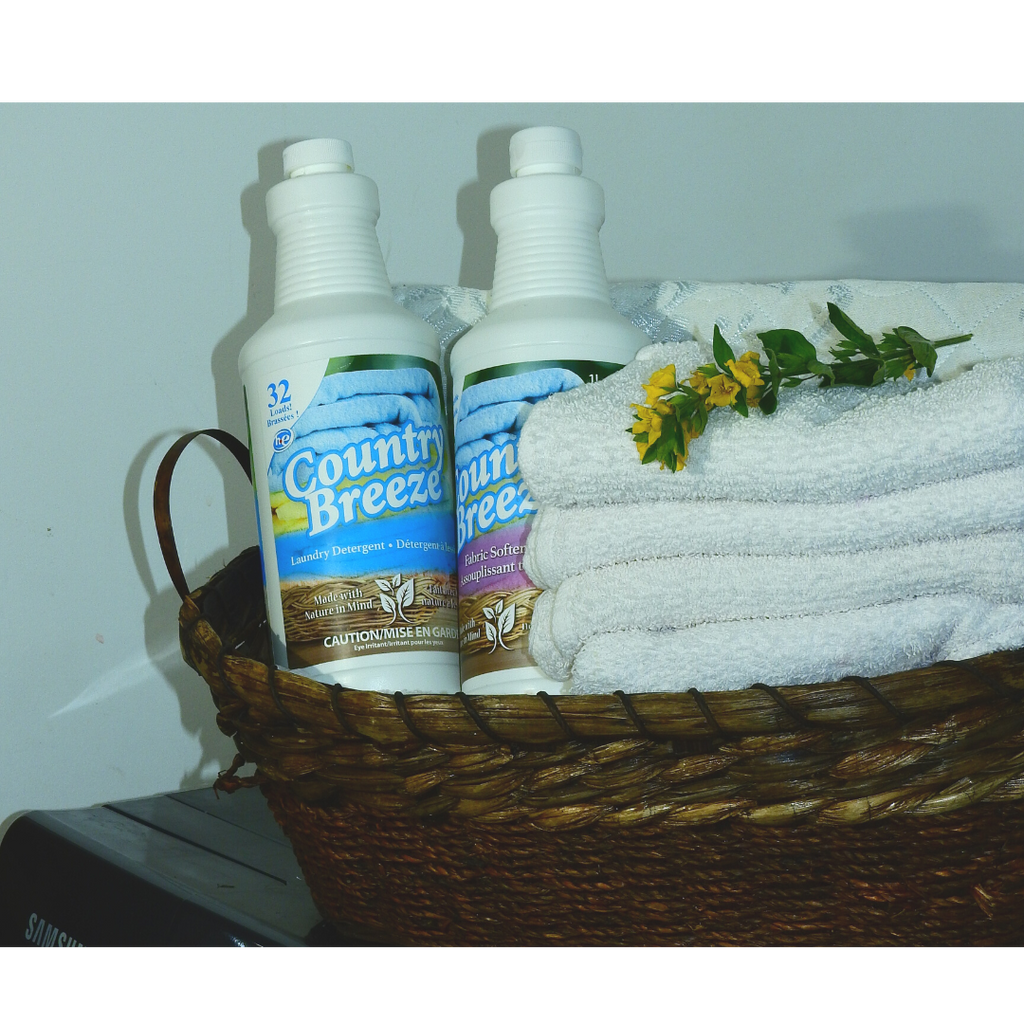
Fabric Softener - Country Breeze Fabric Softener is the ONLY fabric softener that is safe to use on any cloth diapers.
Diaper Creams - When using diaper creams, place a Flushable Bamboo Diaper Liner or Absorbent Liner between your baby and the cloth diaper. This helps prevent cream residue from accumulating on the diapers and making them water repellent.
Flushable Diaper Liners - To simplify the clean-up of soiled diapers, flushable paper, and bamboo liners may be laid into the diapers.
Diaper Rash - A number of factors can cause diaper rashes. The first thing to try is more frequent diaper changes. Should the problem persist, run another final rinse cycle and add a cup of white vinegar.
*Mother-ease does not recommend the use of oxygenated bleaching products (hydrogen peroxide - OxyClean), chlorides (bleach), fluorides, peroxides nor any harsh solvents (sodium percarbonate). Do not rinse diapers in toilets containing automatic toilet bowl cleaners. Use of these products will cause fabric disintegration on all-natural fibers evidenced by balding spots throughout one or all layers of diaper and will adversely affect product longevity.
* Laundry Detergent Disclaimer *
Mother-ease does not recommend laundry detergents containing sodium percarbonate, hydrogen peroxide (oxygen bleach), or optical brighteners. These ingredients can dissolve natural fibers and damage diaper covers. Also avoid boutique and homemade detergents as fat deposits from soap can lead to water repellency.
Mother-ease advises against washing cloth diapers together with large wetbags as they hinder washing resulting in unclean diapers.

Warranty
As a manufacturer for over 30 years, we stand behind the quality and durability of our products. Our goal is to provide you with reliable and long-lasting cloth diapering systems. Your satisfaction is our top priority, and we are committed to delivering exceptional quality and service.
Exchange and Return Policy
For Mother-ease to provide quick and efficient returns and exchanges, please fill out our Return & Exchange Form